
Active Warrants in Ontonagon County
No Ontonagon County office posts an active warrant list you can browse. The sheriff's page gives a name, an address, and a phone number, while the courts publish case information with no warrant filter. So an active warrant gets confirmed by a person who can read the file, not by a search box. The words active and outstanding are working terms. Both describe a warrant a court issued that nobody has served, cleared, or withdrawn. Such an order can sit for years, and the case underneath it stays open the entire time.
What the Ontonagon County Sheriff Page Does Not Publish
The Ontonagon County site names the sheriff, lists the office at 620 Conglomerate, and gives the department phone number. That is where the public record stops. There is no search form, no active warrant table, no most-wanted roster, no update schedule, no bond schedule, and no dedicated warrant line. The gap is not a policy of secrecy, and it does not mean no warrants exist in Ontonagon County. It is simply what the page contains. A reader who expects a published list will hunt in the wrong place, and one who treats the empty page as a clean bill of health will draw the wrong conclusion. The honest answer lives in the court file, one phone call at a time.
How the Ontonagon County Active Warrant List Works
Where a county does publish a warrant list, understand what it is. It is a snapshot of one agency's records, refreshed on a schedule, and filtered by whoever maintains it. Warrants held by a different court, sealed by a judge, or entered days ago will not appear there. Ontonagon County publishes no such list, so your warrant check has to rebuild what a list would do, one office at a time. That route is slower. It also reaches records a list would leave out.
Note: Any published warrant list lags real events, so a name missing from one is not proof of a clear record, and a served warrant may still appear until the next refresh.
Reading the Ontonagon County Status Word
When an Ontonagon County clerk reads a status, the exact word sets your next move. Served means the warrant has moved the case to its next stage. Recalled or quashed means the judge withdrew it. None of those words closes the case on its own.
- Active
- Issued and not yet cleared, served, or withdrawn by the court.
- Served
- Executed by an officer. Arraignment and a new court date usually follow.
- Returned
- The officer filed a service or nonservice return with the court.
- Recalled
- The court withdrew the warrant. Ask whether the law enforcement entry was updated.
- Quashed
- The court set the warrant aside while the underlying case continues.
Ask for the date tied to the status, because an Ontonagon County entry from three months ago says little about today.
What an Active Warrant Shows
There is no public entry to read here. What you get instead is a field-by-field answer from an Ontonagon County court file or department record.
| Case Number | The court's identifier for the case the warrant sits in. |
|---|---|
| Charge or Trigger | The charged offense, or the missed obligation that produced the warrant. |
| Issuing Court | The district court, the circuit court, or a support matter though the Friend of Court. |
| Bond Amount | Set on the warrant or at arraignment. No county schedule is published. |
| Status | Active or outstanding, read from the file on the day you ask. |
| Service Agency | Who holds the order for service, as the court and the sheriff each record it. |
Ontonagon County Court Workload at a Glance
Case volume is easy to underestimate in a county this small. The state's historical filing table for the 98th District Court shows where the work sits, and traffic matters dominate it. Treat the figures as a dated workload snapshot. They are not a count of active warrants.
No official total of current outstanding warrants exists for Ontonagon County. No figure here should be read as one. The pattern does explain why a traffic or citation matter so often starts the warrant conversation.
Most-Wanted Lists and Warrant Roundups
Ontonagon County runs no most-wanted page, no Crime Stoppers partnership page, and no warrant roundup announcements. Where an agency does run such a program, remember what it is. It is a curated subset of the highest-priority cases, not a full active-warrant search.
Key Point: The county's official law enforcement page is the Ontonagon County Sheriff Department, which publishes contact information rather than a roster.
No names, photos, or warrant entries are reproduced here. Where a future program appears, the official agency page is the only source worth citing.
The companion page on the county most wanted question explains what a curated program is. It also covers how that differs from an open Ontonagon County warrant.
Why ICHAT Misses Ontonagon County Warrants
People often mistake ICHAT, the Michigan State Police criminal-history product, for a warrant check. It is not one. The state says warrant information and suppressed records are not available through it, and the tool also skips traffic cases and local misdemeanors that carry Ontonagon County warrants.
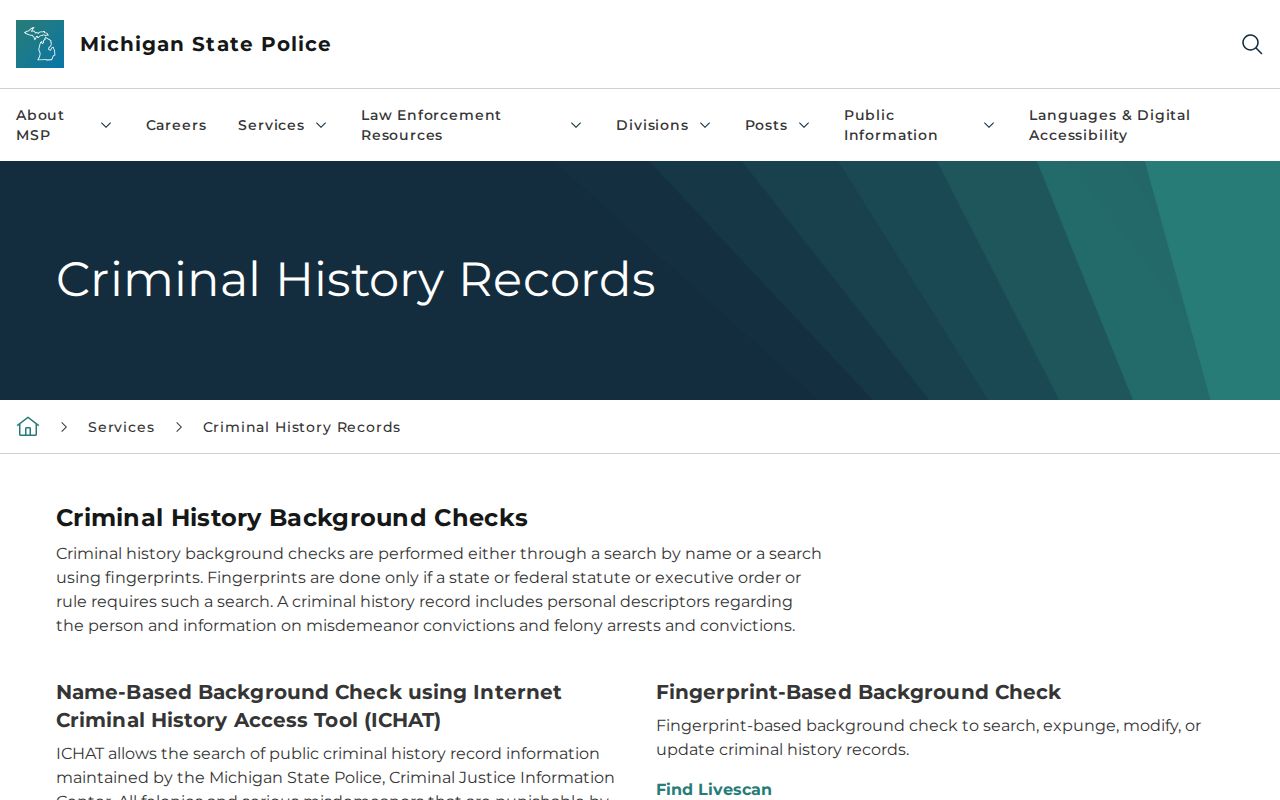
The MSP criminal-history page states that limit directly. So a clean ICHAT result tells you nothing about an active warrant. LEIN, the state law enforcement network, is even further out of reach: authorized users only.
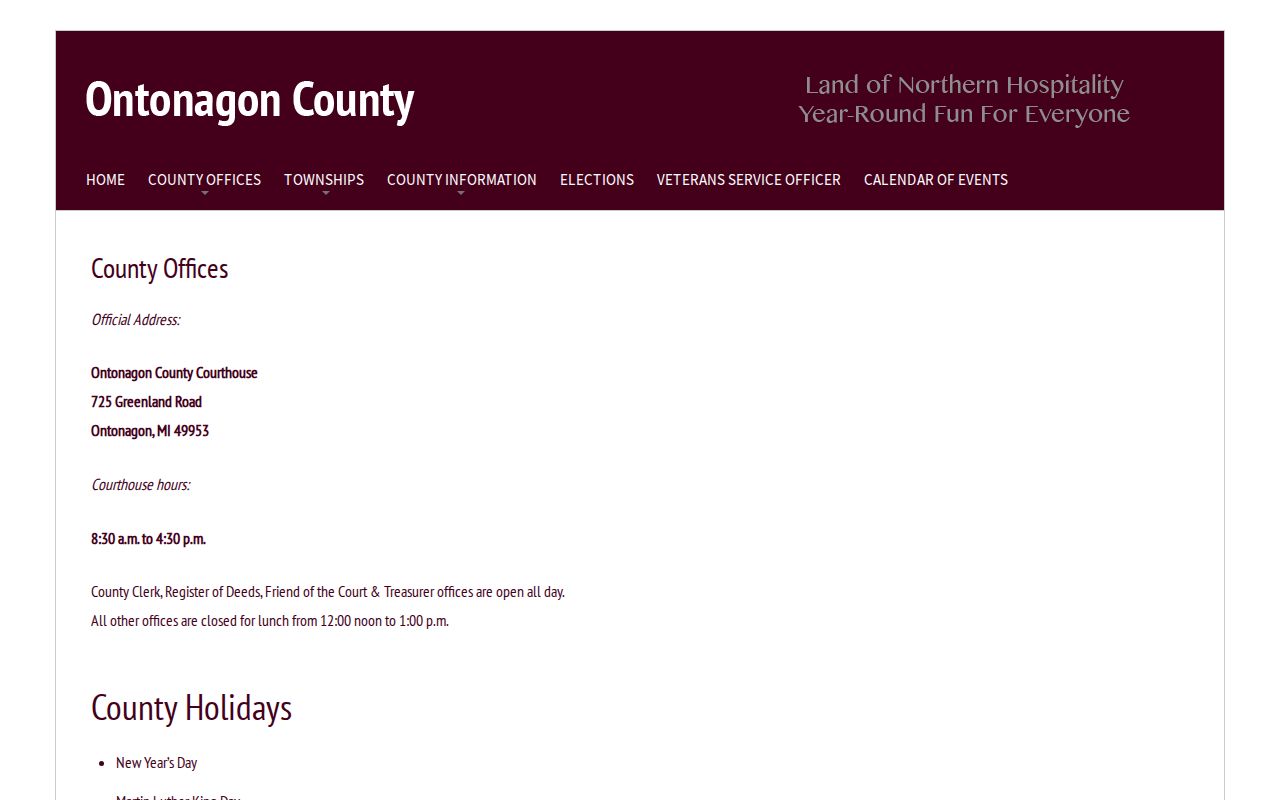
With no portal to lean on, timing matters. Ontonagon County offices close for lunch and follow the published holiday list, so a call at 12:30 p.m. may reach nobody.
If Your Name Is on the List
A confirmed Ontonagon County warrant moves fast, and so should you. Call a lawyer first. That call usually comes before any call to the issuing court, and it earns its cost in a single conversation. Michigan Court Rule 6.105 gives an eligible person a voluntary option: appear at the issuing court within a year of issuance, and the court must either arraign the person or recall the warrant and set a new date. Read the fine print, though. The rule carries exceptions for assaultive and domestic-violence cases, and it limits repeat use. Bond is the second lever. A judge may attach a bail provision to the warrant itself, or the court can settle release at arraignment under the pretrial release rule. A third path exists too. A recall or quash motion can put the warrant back before a judge, but it is the route that most often needs an attorney to file it and argue it. Whatever route fits, the steps to resolve an Ontonagon County warrant, down to preparing for a voluntary appearance, are laid out on the county warrant overview.
Important: Consult a lawyer before turning yourself in. An active warrant can lead to arrest at any traffic stop, and counsel can often arrange the surrender and bond on better terms.
Active Warrant vs the Underlying Case
Think of a warrant as one step inside a case, never the case itself. When Ontonagon County clears it, the arrest authority goes away. The charge does not. The obligation stays, and so do the court dates. That distinction trips people up constantly, because someone can handle the warrant perfectly and still owe the court a hearing on the underlying matter.
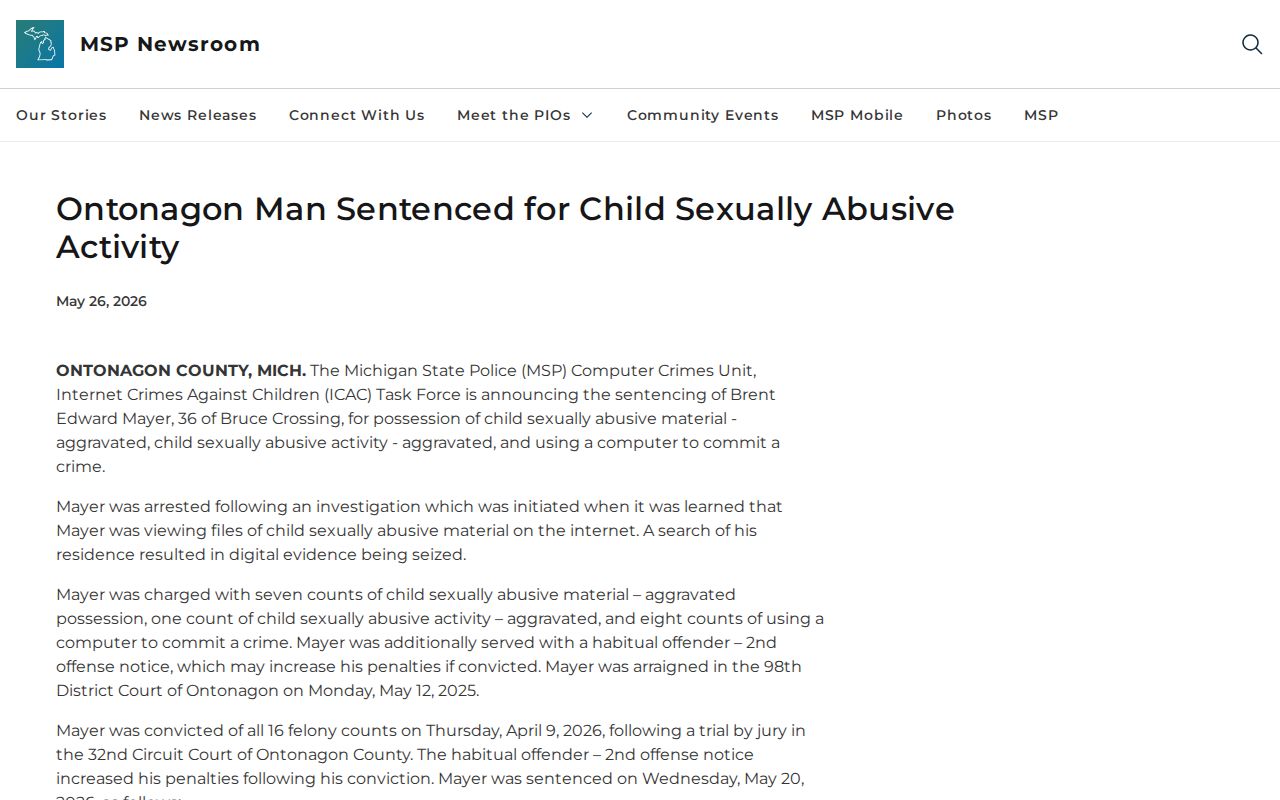
A dated state release shows the shape of that path in an Ontonagon County matter. The sequence ran from a district court arraignment into a felony proceeding in circuit court. A served or recalled warrant still leads into that same flow. So after any court action, ask two questions. What is the new date? Was the sheriff notified? Confirm both answers before you leave.